The Acceleration of Technology
The pace of technological change today is nothing short of staggering. Artificial intelligence, once limited to prediction and automation, is now creating content, crafting solutions, and reshaping industries – events included.
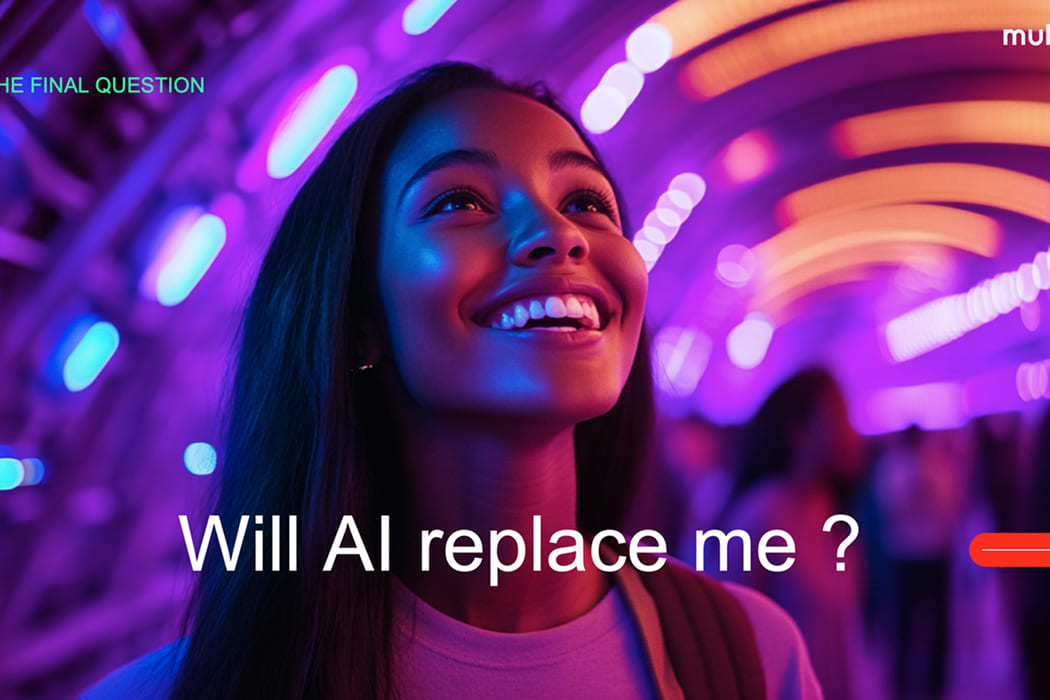
From real-time personalization to seamless logistics, AI is streamlining what used to be intensive processes and doing it with impressive accuracy and speed. But with all this advancement, one question rises above the rest: what happens to the human role in experiences driven by technology?
From Predictions to Creation
AI has long been part of our toolkit, helping businesses analyze patterns, predict behaviors, and automate tasks. What’s different now is its ability to create. We’ve entered a new phase where machine learning is no longer just supportive, it’s generative.
In the events world, this means what once required dozens of professionals and weeks of planning can be prototyped in hours. A campaign concept, visual mock-up, or data analysis that would traditionally take a team is now accessible to a single user equipped with the right tools. The barrier to execution has dropped, and the potential for innovation has skyrocketed.
Still, this isn’t about AI replacing professionals – it’s about how we redefine our roles alongside it.
The Human Factor: More critical Than Ever
Despite AI’s speed and efficiency, there’s one thing it fundamentally lacks: emotion. It can simulate tone, mimic conversation, and generate content, but it doesn’t understand what it means to feel. It doesn’t know what makes a moment unforgettable.
That understanding is uniquely human.
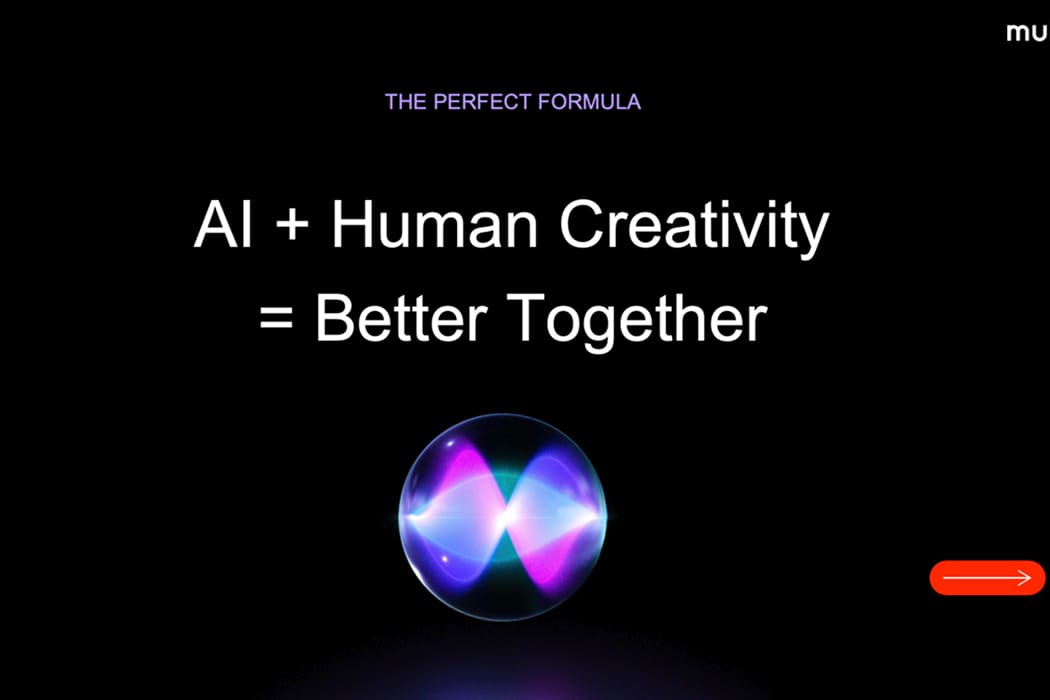
People shape the questions AI responds to. People set the strategy, the vision, and the intention. While AI can enhance what we do, it cannot replicate the authenticity, intuition, or empathy that humans bring to experience design. Events are emotional landscapes, and emotion is what drives memory, connection, and loyalty.
This is why, after a global period of digital fatigue, we witnessed a resurgence in face-to-face gatherings. Humans are social by nature. We don’t just attend events for information, we come for inspiration, for connection, for belonging. Because in events, just as in life, emotions are irreplaceable.
AI in Tourism and Events: A New Reality
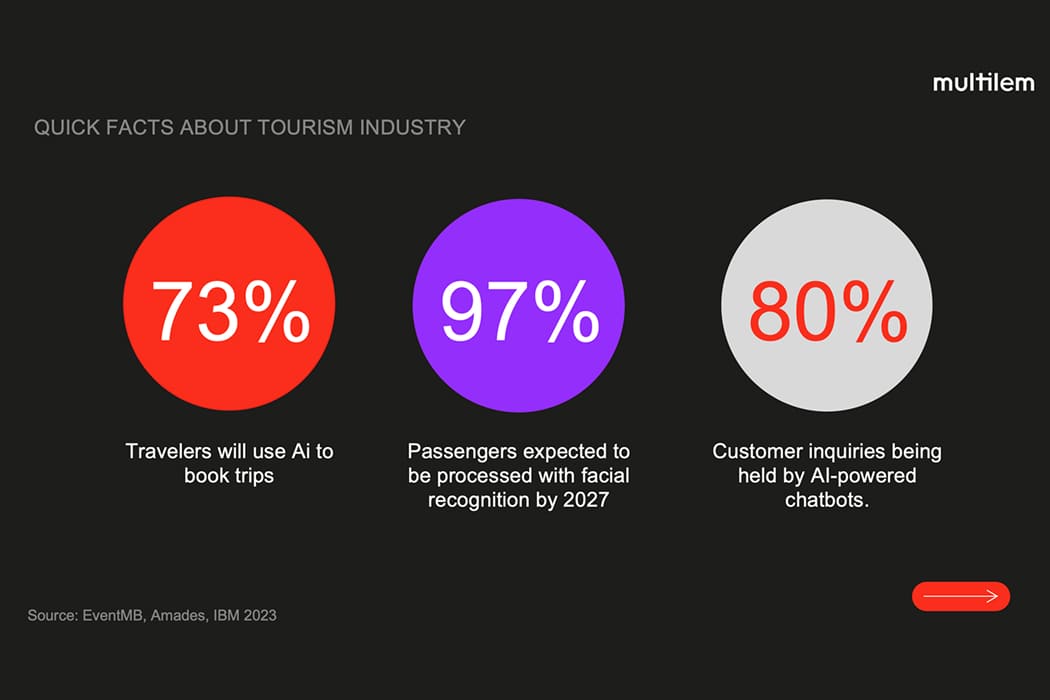
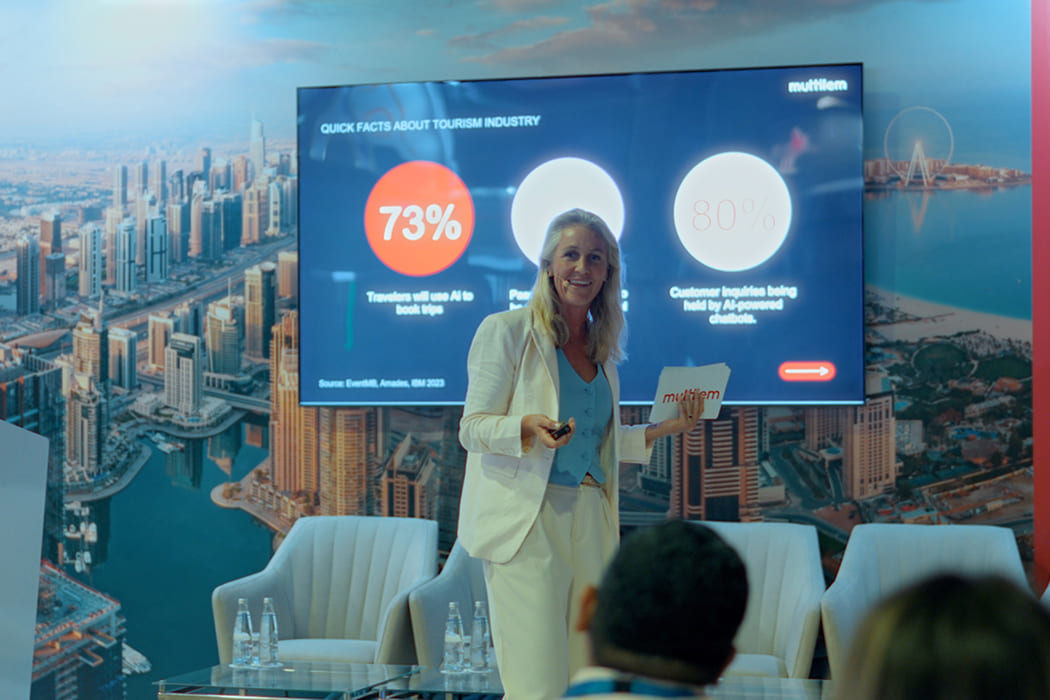
AI is already embedded in many aspects of the tourism and event industries. From biometric processing in airports to intelligent travel planning and personalized event content, the transformation is well underway. The data points are clear: adoption is high and growing, and the benefits in efficiency and engagement are evident.
Yet despite the digital shift, what guests remember most from an event is rarely the tech itself. It’s the sensory experiences – the unexpected, the emotional, the human. A scent, a sound, a shared moment of surprise – these are the memories that endure.
97% of passengers are expected to be processed with facial recognition by 2027.
73% of travelers are already using AI to plan trips.
91% of event attendees engage more with personalized content.
90% of event professionals believe AI will significantly boost efficiency.
Technology may enhance the frame, but emotion fills the canvas.